Harnessing the Healing Power of Tarot: A Guide to Self-Reflection and Growth
Discover how tarot cards can be a tool for self-reflection, personal growth, and emotional clarity. This guide explores the symbolism of tarot, how to perform readings, and the benefits of incorporating tarot into your spiritual practice.
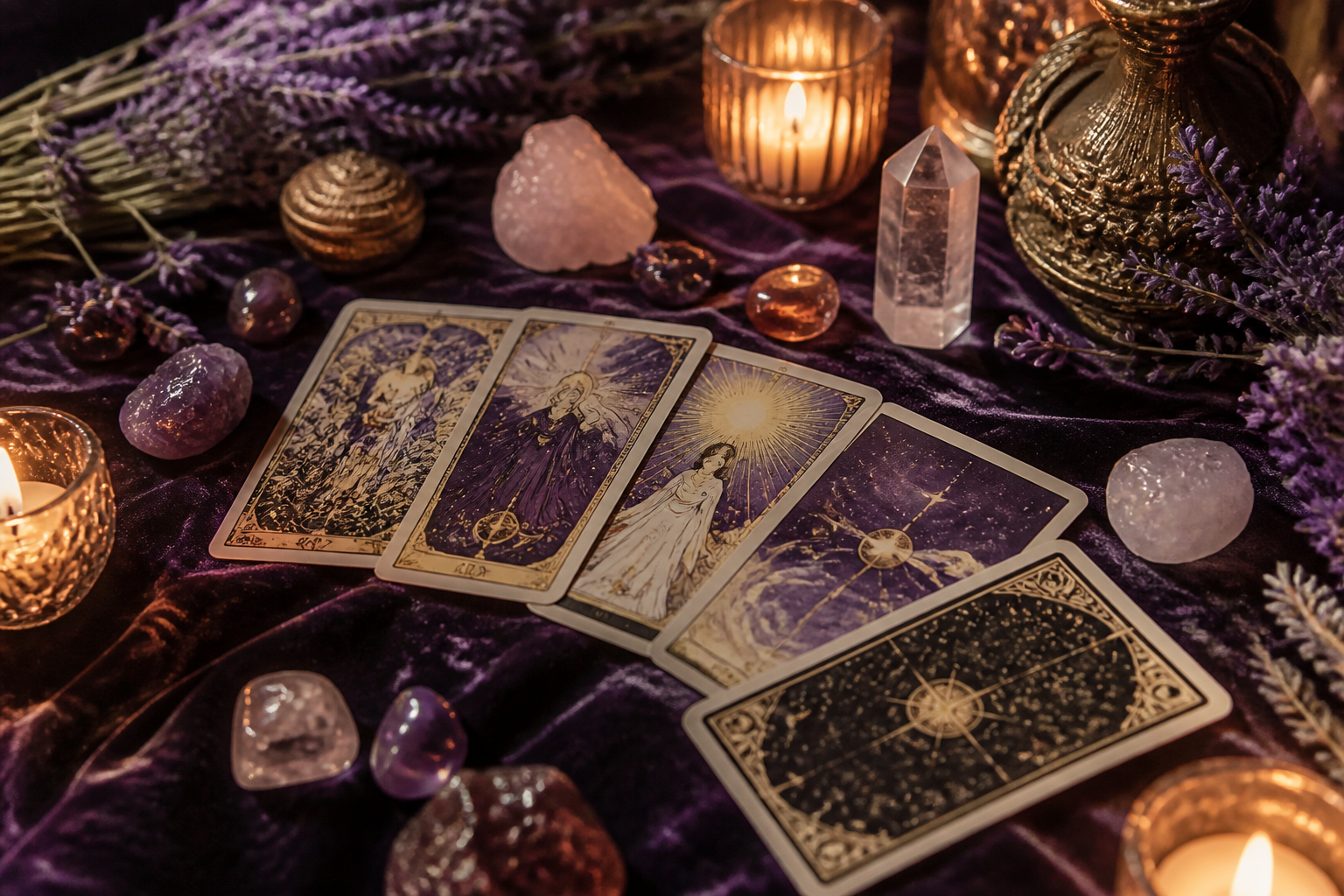
Harnessing the Healing Power of Tarot: A Guide to Self-Reflection and Growth
Tarot has long been a mystical tool, often associated with fortune telling and predictions. However, its true potential lies in its ability to serve as a mirror to our innermost selves. By tapping into the rich symbolism of tarot cards, individuals can embark on a journey of self-reflection, personal growth, and emotional clarity.
The Basics of Tarot
At its core, a tarot deck consists of 78 cards, divided into the Major Arcana and the Minor Arcana. Each card is imbued with unique imagery and meaning, acting as a resource for introspection. The Major Arcana cards often represent significant life themes and lessons, while the Minor Arcana cards delve into the daily occurrences and challenges we face.
Understanding the Symbolism of Tarot
To fully harness the power of tarot, it’s important to understand the symbolism behind the cards. Each card tells a story and invites you to reflect on its meaning in relation to your life. For instance, The Fool symbolizes new beginnings and potential, while The Tower warns of upheaval and transformation.
As you begin to learn the cards, take note of what resonates with you personally. One person's interpretation of The Empress may differ from another's based on individual experiences and emotions. This subjective nature of tarot adds depth to its practice, allowing you to glean insights specific to your own journey.
Performing a Tarot Reading
When preparing for a tarot reading, whether it’s for yourself or someone else, create a quiet, comfortable space. Ensure that you are free from distractions, and allow yourself to enter a meditative state. This will help in attuning to the energy of the cards and the questions at hand.
1. **Set Your Intention**: Before shuffling the deck, take a moment to set your intention. What is it you wish to explore? It could be a specific question about love, career, or personal growth, or a more general inquiry into what you need to know at this moment.
2. **Shuffle and Draw**: Shuffle the cards while focusing on your intention. Once you feel ready, draw the number of cards you’ve decided on. Common spreads include a three-card spread (past, present, future) or the Celtic Cross spread for more complex inquiries.
3. **Interpret the Cards**: Look at each card and reflect on its meaning within the context of your question. Note any feelings, images, or thoughts that arise. It can be helpful to keep a tarot journal to write down your interpretations and any revelations you experience.
Using Tarot for Emotional Clarity
Tarot can serve as a powerful tool for gaining emotional clarity. By exploring the themes presented in your readings, you can identify patterns in your thoughts and behaviors. This self-awareness can guide you in making informed decisions and fostering personal growth.
The act of engaging with tarot prompts you to confront aspects of yourself that may have been buried. For example, if you consistently draw cards related to heartbreak, it may indicate a need to heal from past relationships. Acknowledging these insights can pave the way for emotional release and transformation.
Tarot and Relationships
When it comes to love and relationships, tarot can provide a new perspective on your dynamics with others. Consider drawing cards not only for yourself but also for your partner, or for the relationship as a whole. This dual focus can help illuminate areas of strength and potential conflict.
For example, if you draw The Lovers and The Devil in a relationship spread, you may be encouraged to examine both the deep bond you share and any unhealthy patterns that may be present. This exploration can foster deeper conversations and understanding between partners, ultimately enhancing emotional intimacy.
Incorporating Tarot Into Your Spiritual Practice
To fully embrace the healing power of tarot, consider incorporating it into your regular spiritual practice. You might set aside time each week for a personal reading or use tarot as a journaling prompt. By creating a ritual around your tarot practice, you invite a deeper connection to your intuition and spiritual self.
Final Thoughts
Tarot is not just a tool for divination; it is a pathway to understanding yourself on a deeper level. As you explore its rich symbolism and engage in self-reflective readings, you may find that tarot acts as a guide, illuminating the path for your personal and spiritual growth.
If you’re interested in learning more about tarot or seeking guidance from an experienced reader, platforms like Awelax offer access to a variety of skilled psychic advisors who can help you deepen your understanding of tarot and its applications in your life. Embrace the journey and let the cards guide you toward greater clarity and self-awareness.
About the Author
Awelax Editorial Team
The Awelax Editorial Team creates educational content about psychic readings, intuition, relationships, tarot, and spiritual topics, with an emphasis on responsible guidance and clear expectations.
Learn about our editorial process →Need Personal Guidance?
Your situation is personal. Your reading can be too.
Connect with a live Awelax psychic advisor for private guidance about love, relationships, career, spirituality, and life's important questions.
Find a PsychicAwelax provides psychic and spiritual guidance for entertainment and personal insight. Readings are not a substitute for professional medical, legal, financial, or mental health advice.