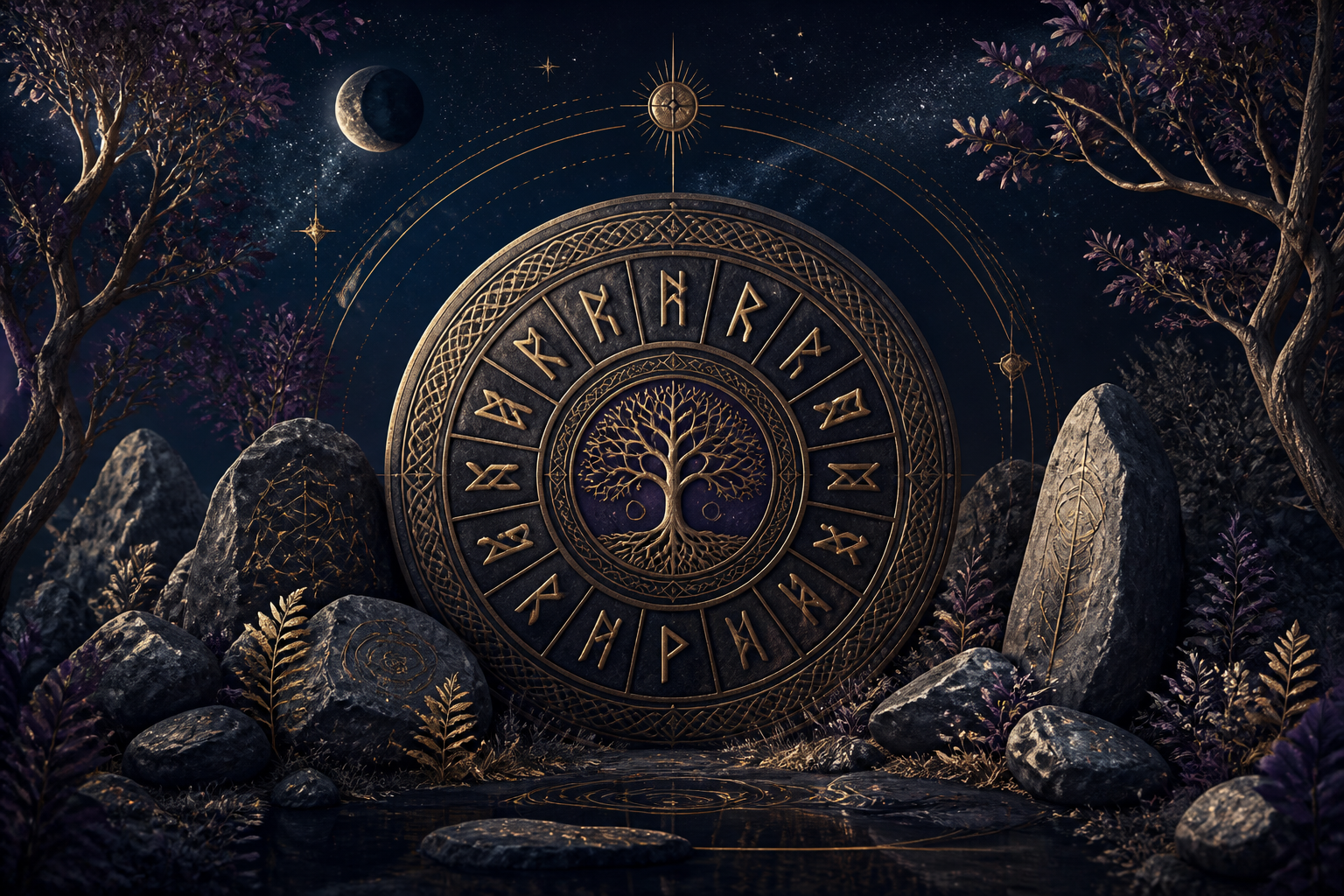
# Introduction to the Elder Futhark The Elder Futhark is the oldest form of the runic alphabets used by Germanic tribes from around the 2nd to the 8th century CE. It consists of 24 characters and is named after the first six runes: Fehu, Uruz, Thurisaz, Ansuz, Raido, and Kaunan. This ancient script was primarily used for inscriptions, magical purposes, and divination. The runes have captivated the interest of historians, linguists, and spiritual seekers alike, as they carry deep meanings and cultural significance.
Historical Context of the Elder Futhark
The Elder Futhark emerged during the Migration Period, a time marked by significant movement and cultural exchange among the Germanic peoples. The runes likely derived from the Etruscan and Latin alphabets, evolving to fit the phonetic needs of the Germanic languages. Its usage spans several centuries, from its inception around 150 CE until it began to fade in the 8th century, as the Latin alphabet took precedence. The inscriptions found on stones, weapons, and everyday objects offer insights into the lives, beliefs, and languages of ancient Germanic tribes.
Archaeological Discoveries
Many archaeological finds have provided evidence of the Elder Futhark's usage. For instance, the Vimose comb, discovered in Denmark, features runic inscriptions that date back to the 2nd century CE. Similarly, the Kylver Stone from Gotland, Sweden, showcases a series of runes that illuminate the cultural practices of the time, including burial rites and memorials.
Structure of the Elder Futhark
The Elder Futhark consists of 24 runes divided into three groups of eight, known as aettir. Each rune not only represents a sound but also embodies a concept or idea. For example, the first aett includes Fehu, which symbolizes wealth and prosperity, while the second aett features Raido, representing travel and journey. Understanding the structure and grouping of the runes is crucial for interpreting their meanings and applications in divination and magical practices.
The Aettir Breakdown
**First Aett**: Fehu, Uruz, Thurisaz, Ansuz, Raido, Kaunan, Gebo, and Wunjo. This group focuses on themes of wealth, strength, protection, and joy.
**Second Aett**: Hagalaz, Nauthiz, Isa, Jera, Eiwaz, Perthro, Elhaz, and Tiwaz. The second aett explores concepts of hardship, cycles, and justice.
**Third Aett**: Birkana, Ehwaz, Mannaz, Laguz, Ingwaz, Dagaz, and Othala. This final group emphasizes growth, community, and heritage.
Quick Reflection Quiz
Explore what you would like to learn from “The Elder Futhark Rune Alphabet.” This is a reflection activity, not a test or prediction.
1. What would you most like to take away from this article?
2. Which approach feels most useful to you right now?
3. What would you like to do next?
Frequently Asked Questions
What is the main topic of The Elder Futhark Rune Alphabet?
Discover the rich history and profound meanings of the Elder Futhark rune alphabet, the oldest form of runes used by Germanic tribes.
Where can I explore more about this topic?
Explore the related Awelax Journal articles below for more perspectives and information. Spiritual guidance is for personal insight and should not replace professional advice.
The Awelax Editorial Team creates educational content about psychic readings, intuition, relationships, tarot, and spiritual topics, with an emphasis on responsible guidance and clear expectations.
Awelax provides psychic and spiritual guidance for entertainment and personal insight. Readings are not a substitute for professional medical, legal, financial, or mental health advice.
Meanings of the Runes
Each rune in the Elder Futhark has its own unique meaning, often linked to both the physical and spiritual realms. Here are some key runes and their interpretations:
**Fehu (F)**: Wealth, abundance, and prosperity. It signifies material success and the importance of resources. For example, in a reading, Fehu may indicate a fruitful business venture or a new source of income.
**Uruz (U)**: Strength, health, and vitality. This rune represents physical power and the primal energies of life. It can suggest the need to harness one’s inner strength during challenging times.
**Thurisaz (Þ)**: Protection, conflict, and challenges. It serves as a reminder of the need to confront difficulties head-on. Drawing this rune may indicate a time to defend oneself or set boundaries.
**Ansuz (A)**: Communication, wisdom, and divine inspiration. It highlights the importance of messages and knowledge in our lives. This rune can signify the arrival of important news or insights.
**Raido (R)**: Journey, movement, and progress. This rune encourages us to embrace change and the transitions of life. It may suggest travel or a significant life change on the horizon.
Usage of Runes in Divination
Runes have been used as a tool for divination, offering insight and guidance to those who seek it. A common method involves casting a set of runes and interpreting their positions and meanings. Each rune can symbolize different aspects of a question or situation, allowing for a nuanced understanding of one's circumstances. For example, drawing Fehu in a reading may indicate a focus on financial matters, while Uruz might suggest a need for physical or emotional strength. A well-rounded interpretation considers both the individual runes drawn and their collective message.
**Single Rune Draw**: This simple method involves drawing one rune to gain insight into a specific question or situation.
**Three Rune Spread**: This spread typically represents the past, present, and future, providing a broader context for the querent’s inquiry.
**Celtic Cross Spread**: A more complex layout that offers detailed insights into various aspects of a situation, including obstacles and potential outcomes.
Runes in Magical Practices
In addition to divination, the Elder Futhark runes have been utilized in various magical practices. Runes can be inscribed on objects, drawn in the air, or visualized to manifest intentions and desires. For instance, one might carve the rune Gebo (G), representing gifts and partnerships, on a piece of jewelry to enhance relationships or attract positive connections. It’s essential to approach such practices with respect and an understanding of the runes' cultural origins.
Practical Applications
**Amulets and Talismans**: Carving runes into stones or jewelry can create powerful protective amulets.
**Rituals**: Incorporating runes into rituals can enhance their effectiveness. For example, invoking the energies of Laguz during a water-related ceremony may amplify the desired outcomes.
**Meditation**: Meditating on a specific rune can deepen one's understanding of its meaning and how it relates to personal experiences.
Cultural Significance of Runes
The Elder Futhark runes are not merely an alphabet; they are steeped in the mythology and spiritual beliefs of the Germanic tribes. Runes were often associated with gods and cosmic energies. For instance, the rune Tiwaz (T) is linked to Týr, the god of war, embodying justice and sacrifice. Understanding these connections enriches our appreciation for runes beyond their practical applications, revealing a deeper cultural narrative that resonates with modern seekers.
Mythological Connections
The runes are often tied to various myths and legends. For example, the story of Odin hanging from the World Tree, Yggdrasil, for nine nights to gain wisdom and the knowledge of runes illustrates the deep spiritual significance attributed to these symbols. This myth emphasizes the connection between the runes and the quest for knowledge and enlightenment.
The Legacy of the Elder Futhark
The Elder Futhark’s influence extends beyond its historical context. Today, it inspires various spiritual practices, artistic expressions, and even contemporary pagan movements. Many people study the runes for personal development, seeking to connect with their meanings and apply them in their daily lives. The resurgence of interest in Norse mythology and spirituality has led to a revival of rune practices, ensuring that the wisdom of the Elder Futhark continues to resonate with future generations.
Modern Interpretations
Contemporary practitioners often adapt the Elder Futhark to fit their personal beliefs and practices. This can include blending traditional rune meanings with modern psychological insights, creating a holistic approach to self-discovery and empowerment. Workshops, online courses, and community gatherings centered around runes have become increasingly popular, fostering a sense of connection among enthusiasts.
Conclusion: Embracing the Wisdom of the Runes
The Elder Futhark rune alphabet offers a fascinating glimpse into the spiritual and cultural heritage of ancient Germanic peoples. Its characters are not simply letters; they are symbols imbued with profound meanings and insights. Whether you are drawn to runes for divination, magical practices, or cultural exploration, approaching them with respect and curiosity can lead to enriching experiences. As you engage with the Elder Futhark, consider seeking guidance from Awelax advisors who can help interpret the runes and their relevance to your journey, fostering a deeper understanding of yourself and the universe around you.