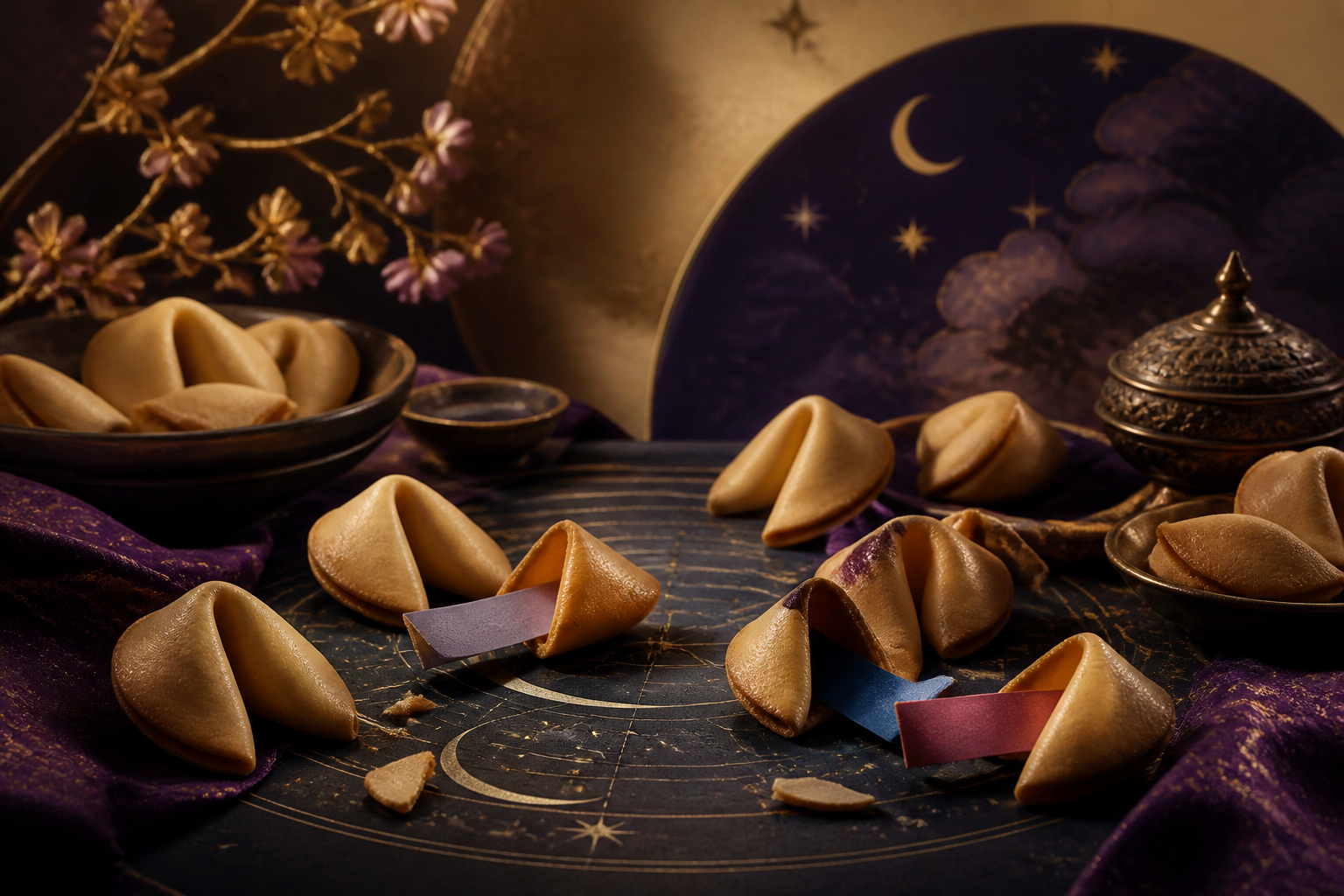
Fortune cookies have become a staple in Chinese-American cuisine, often served at the end of a meal in Chinese restaurants. These crisp, folded cookies contain a slip of paper with a fortune or a wise saying, providing a whimsical touch to the dining experience. However, the history of fortune cookies is not as straightforward as it may appear. This article explores the origins, cultural significance, and evolution of fortune cookies over time.
The Origins of Fortune Cookies
Contrary to popular belief, fortune cookies did not originate in China. Their roots can be traced back to the early 20th century in California. While the exact origin is debated, one prevalent theory suggests that they were inspired by a Japanese cookie called "tsujiura senbei." These cookies, which also contained written fortunes, were made in Japan before being adapted by Chinese immigrants. The first recorded mention of fortune cookies in the United States dates back to the 1890s, highlighting their American inception rather than Chinese.
The Role of Chinese Immigration
The Chinese Exclusion Act of 1882 significantly impacted the Chinese-American community, leading to a need for adaptation and innovation to survive in a new land. As Chinese immigrants opened restaurants to cater to American tastes, they began to incorporate elements from their own culture, blending them with American customs. Fortune cookies emerged as a unique fusion, offering a light-hearted conclusion to meals and enticing diners with their playful predictions. This adaptation played a crucial role in establishing a cultural connection between Chinese and American traditions.
The Spread of Fortune Cookies
Throughout the mid-20th century, fortune cookies gained popularity across the United States. Their appeal spread beyond Chinese restaurants, with various establishments adopting them as a fun and engaging way to enhance the dining experience. In the 1960s, fortune cookies became a symbol of good luck, often associated with positive affirmations or predictions. As they circulated through the country, many began to associate fortune cookies with a sense of mystique, believing that they held deeper meanings. This trend was further fueled by their inclusion in various social events and celebrations, making them a common feature at parties and gatherings.
Cultural Significance and Symbolism
Fortune cookies represent more than just a tasty treat; they embody a cultural exchange between East and West. In Chinese culture, the concept of luck and fortune plays a vital role in daily life. The fortunes found inside cookies often reflect traditional Chinese philosophies, such as Confucianism and Taoism, offering wisdom and guidance. The symbolism of fortune cookies transcends mere entertainment; they serve as a bridge between different cultures, fostering understanding and appreciation. For many, opening a fortune cookie is not just about the message inside, but also about the shared experience of anticipation and surprise, making it a cherished part of dining out.
Take a 2-Minute Spiritual Break
Spiritual Memory Match
Find all six matching pairs of spiritual symbols. Flip two cards at a time.
Pairs: 0/6 · Moves: 0
Ready when you are. The game won't start until you choose Start Game.
For entertainment only. No scores or game data are sent to Awelax servers.
Quick Reflection Quiz
Explore what you would like to learn from “The History of Fortune Cookies.” This is a reflection activity, not a test or prediction.
1. What would you most like to take away from this article?
2. Which approach feels most useful to you right now?
3. What would you like to do next?
Frequently Asked Questions
What is the main topic of The History of Fortune Cookies?
Discover the fascinating origins and cultural significance of fortune cookies, from their beginnings to their place in modern society.
Where can I explore more about this topic?
Explore the related Awelax Journal articles below for more perspectives and information. Spiritual guidance is for personal insight and should not replace professional advice.
The Awelax Editorial Team creates educational content about psychic readings, intuition, relationships, tarot, and spiritual topics, with an emphasis on responsible guidance and clear expectations.
Awelax provides psychic and spiritual guidance for entertainment and personal insight. Readings are not a substitute for professional medical, legal, financial, or mental health advice.
The Fortune Cookie and Popular Culture
Fortune cookies have made their way into popular culture, appearing in films, television shows, and literature. Their whimsical nature has often been used as a comedic element, as characters find unexpected wisdom or humor in their fortunes. Popular movies like "The Karate Kid" and "The Hangover" have featured fortune cookies, further embedding them in the American cultural landscape. This visibility has contributed to their enduring popularity and has turned them into an iconic representation of Asian-American cuisine. Additionally, fortune cookies have been referenced in various songs and artworks, showcasing their influence beyond the dining table. For more on this subject, explore Creative Fortune Cookie Sayings.
Crafting Your Own Fortune Cookies
Interactive Awelax Explorer
Personal Spiritual Journal
Write a private reflection. Entries are kept only in this page until you leave or refresh; use Copy to save them yourself.
For entertainment and personal reflection only; not a prediction, diagnosis, or professional advice. No responses are sent to Awelax servers by this activity.
For those interested in creating a personalized experience, making fortune cookies at home can be a fun activity. The process involves mixing simple ingredients, such as flour, sugar, and egg whites, to create the cookie batter. Once baked, small slips of paper can be inserted with custom fortunes, affirmations, or messages. This allows for creativity and personalization, making them ideal for parties, celebrations, or even as thoughtful gifts. Crafting fortune cookies can also serve as a bonding activity, encouraging connection and communication among family and friends. By involving loved ones in the process, you can create a memorable experience that goes beyond just the cookies themselves.
Modern Variations and Innovations
As the culinary world evolves, so do fortune cookies. Innovative chefs and bakers have experimented with flavors and fillings, transforming traditional cookies into gourmet treats. Variations may include chocolate-dipped cookies, matcha-flavored options, or even vegan alternatives. Additionally, some establishments now offer digital fortunes through QR codes, creating an interactive experience that appeals to tech-savvy diners. These modern twists ensure that fortune cookies remain relevant in contemporary dining culture while honoring their historical roots. Furthermore, themed fortune cookies for special occasions, like weddings or corporate events, have emerged, allowing for tailored messages that resonate with specific audiences.
The Future of Fortune Cookies
As we look to the future, fortune cookies are likely to continue evolving. With the rise of health-conscious eating, there may be an increase in gluten-free or low-sugar options to cater to diverse dietary needs. Additionally, as globalization continues to influence culinary trends, we may see new interpretations of fortune cookies that incorporate flavors and ingredients from various cultures around the world. The potential for innovation is vast, and fortune cookies may serve as a canvas for culinary creativity, reflecting the dynamic nature of food culture in the 21st century.
Conclusion
The history of fortune cookies is a delightful blend of cultural adaptation, creativity, and symbolism. From their uncertain origins to their place in modern American society, fortune cookies have evolved to become more than just a sweet ending to a meal. They serve as a testament to the power of cultural exchange, fostering connections and shared experiences. Whether you enjoy them for the taste, the fortunes, or the cultural significance, fortune cookies continue to hold a special place in the hearts of many. As we explore their history, we gain a deeper appreciation for the stories and traditions that shape our culinary experiences today. With their whimsical charm and rich cultural background, fortune cookies are sure to remain a beloved part of dining experiences for years to come.
The Craft of Fortune Cookie Production
The production of fortune cookies is an art in itself, combining culinary skill with precision. The process begins with the creation of the cookie batter, which is typically made from flour, sugar, vanilla, and egg whites. The batter is then spread into thin circles on a baking sheet and baked until just crisp. After baking, the cookies are quickly removed from the oven and must be folded while still warm, which requires speed and dexterity. Each cookie is then filled with a fortune before being sealed. This intricate process highlights the craftsmanship involved in creating these delightful treats, and it is often done by hand in smaller bakeries, ensuring quality and attention to detail.
Fortune Cookies in Global Context
While fortune cookies are primarily associated with Chinese-American cuisine, they have found their way into various cultures around the world. In some countries, similar concepts exist, where baked goods or sweets contain messages or predictions. For instance, in Greece, a traditional New Year’s cake called Vasilopita contains a hidden coin, and the person who finds it is said to have good luck for the year. Similarly, in Italy, the tradition of “Baci Perugina” involves chocolates that come with love notes. These global interpretations of fortune cookies demonstrate a universal human fascination with luck, fate, and the unknown, bridging cultural gaps through shared experiences of hope and anticipation.