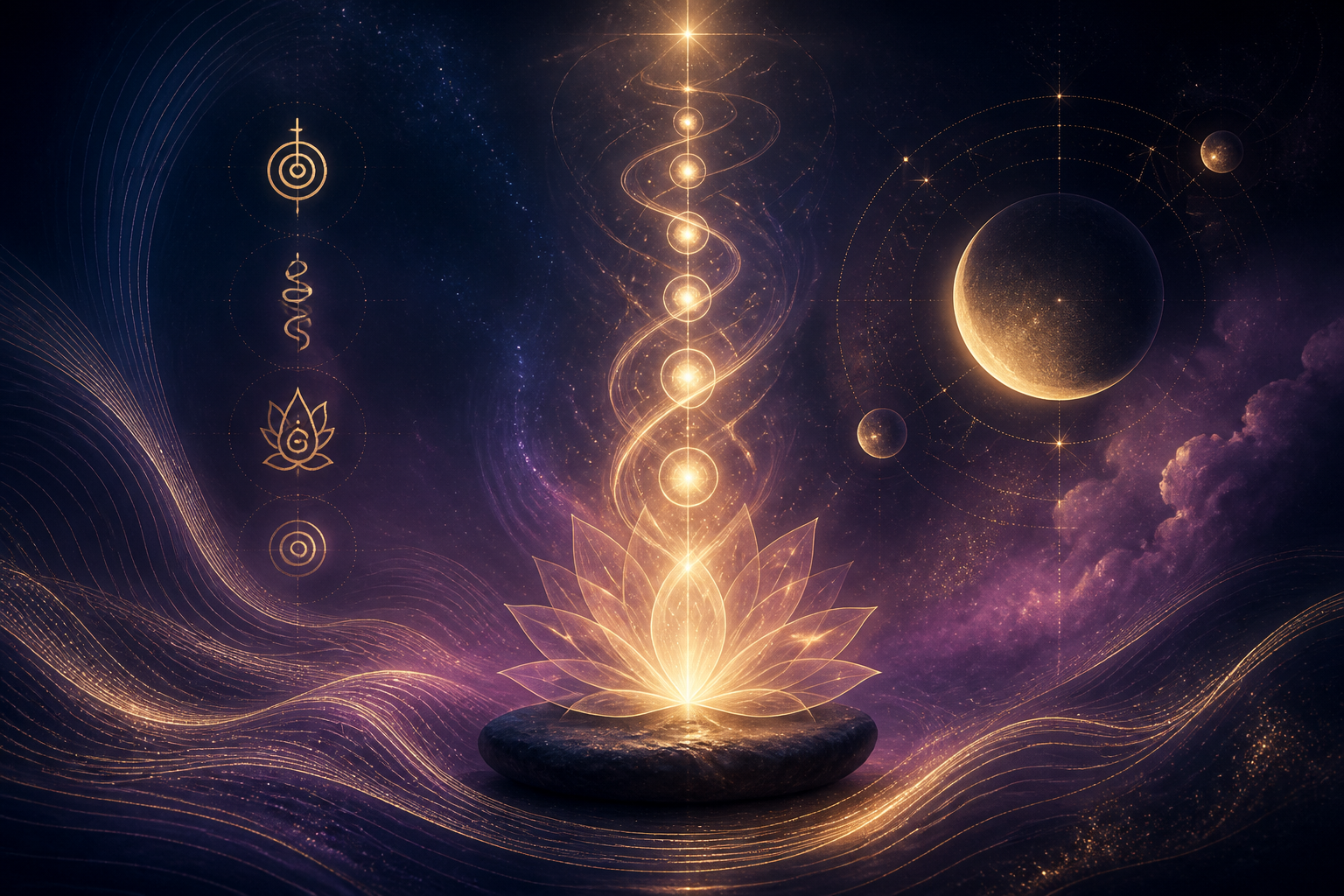
Reiki is a spiritual healing practice that originated in Japan in the early 20th century. It involves the transfer of universal life energy through the hands of a practitioner to promote healing, balance, and relaxation. The term "Reiki" itself comes from two Japanese words: "Rei," meaning universal, and "Ki," meaning life force energy. Practitioners believe that this energy flows through all living things and can be harnessed to facilitate physical, emotional, and spiritual healing. Understanding the symbols and practices of Reiki is essential for both practitioners and those seeking its benefits.
The History of Reiki
Reiki was developed by Mikao Usui in the 1920s after a profound spiritual experience during a 21-day meditation retreat on Mount Kurama. Usui's journey led him to discover the healing properties of energy and how to channel it effectively. He established a system that included specific symbols, hand positions, and techniques aimed at healing. Over the years, Reiki has evolved and branched out into various styles, including Usui Reiki, Karuna Reiki, and others, each with unique practices but sharing the core principles of energy healing.
Mikao Usui's teachings were further disseminated by his students, leading to the establishment of Reiki as a global phenomenon. Today, Reiki is practiced in various forms around the world and has gained recognition in holistic health circles as a complementary therapy.
Understanding Reiki Symbols
In Reiki, symbols are used as tools to enhance the practitioner's ability to channel energy. Each symbol carries a specific meaning and purpose, aiding in the healing process. The three primary symbols in Usui Reiki are:
**Cho Ku Rei (Power Symbol)**: This symbol is used to increase energy and focus healing intentions. It is often drawn during sessions to amplify the healing energy.
**Sei He Ki (Emotional Healing Symbol)**: This symbol is associated with emotional and mental healing. It helps to clear negative emotions and promote harmony within the mind and body.
**Hon Sha Ze Sho Nen (Distance Healing Symbol)**: This symbol allows practitioners to send healing energy across time and space, making it possible to heal individuals not physically present.
Understanding these symbols is essential for practitioners to effectively utilize them during sessions. Each symbol serves as a conduit for specific energies, and their correct application can significantly enhance the healing experience for clients. Practitioners often spend time meditating on these symbols to deepen their understanding and connection.
Take a 2-Minute Spiritual Break
Spiritual Memory Match
Find all six matching pairs of spiritual symbols. Flip two cards at a time.
Pairs: 0/6 · Moves: 0
Ready when you are. The game won't start until you choose Start Game.
For entertainment only. No scores or game data are sent to Awelax servers.
Quick Reflection Quiz
Explore what you would like to learn from “Understanding Reiki Symbols and Practices.” This is a reflection activity, not a test or prediction.
1. What would you most like to take away from this article?
2. Which approach feels most useful to you right now?
3. What would you like to do next?
Frequently Asked Questions
What is the main topic of Understanding Reiki Symbols and Practices?
Explore the essence of Reiki, its symbols, and practices to enhance your healing journey.
Where can I explore more about this topic?
Explore the related Awelax Journal articles below for more perspectives and information. Spiritual guidance is for personal insight and should not replace professional advice.
The Awelax Editorial Team creates educational content about psychic readings, intuition, relationships, tarot, and spiritual topics, with an emphasis on responsible guidance and clear expectations.
Awelax provides psychic and spiritual guidance for entertainment and personal insight. Readings are not a substitute for professional medical, legal, financial, or mental health advice.
The Role of Intention in Reiki
Intention plays a vital role in Reiki healing. Practitioners must cultivate a clear and positive intention before beginning a session. This intention acts as a guiding force for the energy being channeled. For instance, if a practitioner intends to help a client release stress, the energy directed towards the client will resonate with that intention. This is why practitioners often take a moment to meditate and set their intentions before starting a session. For more on this subject, explore Reiki and Mindful Relaxation.
The power of intention enhances the effectiveness of the healing process, making it a crucial aspect of Reiki practice. It is believed that the clearer and more focused the intention, the more profound the healing effects can be. Clients are also encouraged to express their intentions, which can help practitioners tailor their approach to meet specific needs.
Preparing for a Reiki Session
Both practitioners and clients benefit from preparation before a Reiki session. Practitioners should create a serene and comfortable environment, free from distractions. This may include dimming the lights, using calming scents like lavender, and playing soft background music. Clients, on the other hand, should approach the session with an open mind and a willingness to receive healing energy. It’s also beneficial for clients to set their own intentions for the session, which can guide the practitioner in their energy work.
Preparation can also involve a brief discussion between the practitioner and client about any specific issues or concerns the client may have. This dialogue helps establish trust and ensures that the practitioner can focus on the areas that require attention. Additionally, practitioners may perform a short grounding exercise to center themselves before beginning the session.
Techniques Used in Reiki
Reiki can be practiced through various techniques, each designed to suit different needs and preferences. Some common methods include:
**Hands-On Healing**: The practitioner lightly places their hands on or near the client's body, channeling energy directly to specific areas in need of healing.
**Distance Healing**: Practitioners can send healing energy to clients who are not physically present. This technique is especially useful for those unable to attend in-person sessions.
**Meditation and Visualization**: Practitioners often incorporate meditation and visualization techniques to enhance the flow of energy during a session. This can include visualizing the symbols or focusing on the client's energy field.
Interactive Awelax Explorer
Personal Spiritual Journal
Write a private reflection. Entries are kept only in this page until you leave or refresh; use Copy to save them yourself.
For entertainment and personal reflection only; not a prediction, diagnosis, or professional advice. No responses are sent to Awelax servers by this activity.
These techniques can be adapted based on the individual needs of clients, ensuring a personalized healing experience. Practitioners may also combine different techniques within a single session, depending on the client's condition and preferences.
Incorporating Reiki into Daily Life
Reiki is not just limited to formal sessions; it can also be integrated into daily life. Practitioners can use self-Reiki techniques to maintain their own well-being and balance. Simple practices include: For more on this subject, explore The History and Traditions of Reiki.
**Daily Meditation**: Setting aside time for meditation helps practitioners connect with their inner selves and cultivate a sense of peace.
**Using Symbols**: Practitioners can draw or visualize Reiki symbols throughout the day to invoke healing energy in various situations.
**Mindful Breathing**: Focusing on breath can help ground and center energy, making it easier to handle daily stresses.
Incorporating these practices into everyday life can help individuals maintain emotional and physical well-being. Additionally, practitioners can share these techniques with clients, empowering them to take an active role in their healing journey. Regular self-care practices can enhance the benefits of Reiki and promote a holistic approach to health.
Respect and Ethics in Reiki Practice
As with any healing modality, respect and ethics are core components of Reiki practice. Practitioners should always seek permission from clients before initiating any healing work, ensuring that clients feel comfortable and safe. Additionally, practitioners must honor the confidentiality and dignity of their clients by keeping all shared information private.
It is also essential for practitioners to engage in continuous learning and self-care to provide the best service possible. This involves attending workshops, participating in self-Reiki, and seeking mentorship when necessary. Practitioners should also be aware of their own emotional and physical states, as these can influence the energy they channel during sessions. Maintaining personal well-being is crucial for effective practice.
Finding a Qualified Reiki Practitioner
A moment to explore
Your Daily Spiritual Message
Reveal a gentle reflection for today. Come back tomorrow for another.
For entertainment and personal reflection, not scientific prediction or professional advice. Responses stay in this browser session and are not submitted.
When seeking a Reiki practitioner, it's important to find someone who aligns with your needs and values. Prospective clients should consider factors such as:
**Qualifications**: Look for practitioners who are certified and have undergone comprehensive training.
**Experience**: Consider the practitioner's experience level and areas of specialization. Some may focus on emotional healing, while others might emphasize physical ailments.
**Personal Connection**: A strong rapport between client and practitioner can enhance the healing experience. This connection fosters trust and openness, allowing for a more effective session.
Platforms like Awelax can help connect you with qualified Reiki practitioners who resonate with your healing journey. It’s beneficial to read reviews or testimonials from previous clients to gauge the practitioner's effectiveness and approach.
Conclusion
Understanding Reiki symbols and practices is fundamental for both practitioners and those seeking healing. By delving into the history, techniques, and ethical considerations of Reiki, individuals can enhance their personal healing journeys and foster a deeper connection to this ancient practice. Whether you are a seasoned practitioner or new to Reiki, embracing its principles can lead to profound changes in your life. Remember, the journey of healing is ongoing, and Reiki offers a beautiful pathway to balance, peace, and well-being. By integrating Reiki into your life, you can cultivate a deeper sense of self-awareness and connection to the universal energy that surrounds us all.