Reiki is a holistic healing practice that originated in Japan in the early 20th century. It is based on the concept of channeling universal life energy to promote relaxation, reduce stress, and enhance overall well-being. Unlike conventional medical treatments, Reiki is complementary in nature, meaning it is intended to support and enhance medical care rather than replace it. Understanding what happens during a typical Reiki session can help you decide if this peaceful practice is right for you.
Preparing for a Reiki Session
Before attending a Reiki session, it's essential to find a qualified practitioner. Many Reiki healers are certified and possess a deep understanding of energy work. When you arrive, the practitioner will likely take time to discuss your concerns and intentions for the session. This conversation helps establish a comfortable environment and ensures that the practitioner is aware of your specific needs. You may also be asked to fill out a brief questionnaire about your health history and any specific issues you are facing.
It's also beneficial to approach your session with an open mind. Consider what you hope to achieve, whether it's physical healing, emotional release, or simply relaxation. Setting an intention can enhance your experience and help the practitioner tailor the session to your needs. For more on this subject, explore Understanding Reiki Symbols and Practices.
The Setting of a Reiki Session
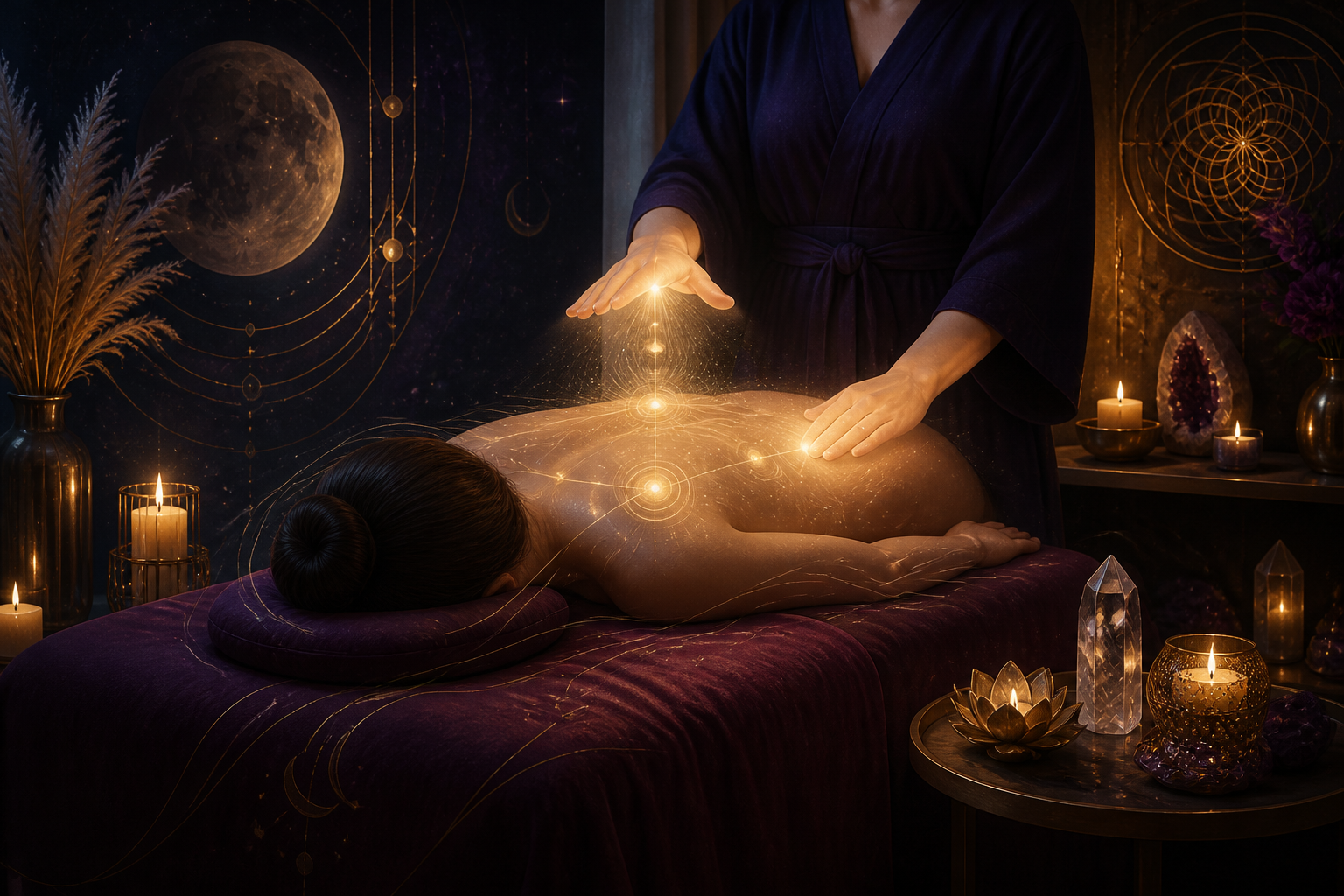
A typical Reiki session takes place in a tranquil environment, often in a serene room designed for relaxation. The atmosphere is usually calming, with soft lighting, soothing music, and comfortable furnishings. You may be invited to lie down on a massage table, fully clothed, while the practitioner works around you. Essential oils or crystals might be used to enhance the healing experience, but these are optional and depend on the practitioner's style.
The environment plays a crucial role in the effectiveness of Reiki. A peaceful setting allows you to let go of distractions and fully immerse yourself in the experience. Some practitioners may also incorporate elements such as candles or gentle aromatherapy to create a more soothing ambiance. The intention behind the setting is to create a safe space where you can relax and be open to the healing process.
Take a 2-Minute Spiritual Break
Spiritual Memory Match
Find all six matching pairs of spiritual symbols. Flip two cards at a time.
Pairs: 0/6 · Moves: 0
Ready when you are. The game won't start until you choose Start Game.
For entertainment only. No scores or game data are sent to Awelax servers.
Quick Reflection Quiz
Explore what you would like to learn from “What Happens During a Reiki Session.” This is a reflection activity, not a test or prediction.
1. What would you most like to take away from this article?
2. Which approach feels most useful to you right now?
3. What would you like to do next?
Frequently Asked Questions
What is the main topic of What Happens During a Reiki Session?
Explore the essence of a Reiki session, its practices, and how it complements overall well-being without being a medical treatment.
Where can I explore more about this topic?
Explore the related Awelax Journal articles below for more perspectives and information. Spiritual guidance is for personal insight and should not replace professional advice.
The Awelax Editorial Team creates educational content about psychic readings, intuition, relationships, tarot, and spiritual topics, with an emphasis on responsible guidance and clear expectations.
Awelax provides psychic and spiritual guidance for entertainment and personal insight. Readings are not a substitute for professional medical, legal, financial, or mental health advice.
The Reiki Process
During a session, the Reiki practitioner will gently place their hands on or near your body. The touch is light and not invasive, aiming to facilitate the flow of energy. The practitioner may move their hands in various positions, focusing on areas where you may be experiencing tension or discomfort. Reiki energy is believed to help release blockages and promote a sense of balance within the body. You might feel warmth or tingling sensations during the session, which are natural responses to the energy flow.
The practitioner may also use specific hand positions or techniques, such as hovering their hands above your body or lightly touching certain points. This process is intuitive, as the practitioner tunes into your energy and adjusts their approach based on what they sense. The goal is to create a harmonious flow of energy that supports your healing journey. Practitioners often emphasize that they are merely a channel for the energy, allowing it to flow where it is needed most.
What to Expect During a Session
As you relax during the session, you may enter a meditative state. Many people report feeling deeply relaxed, peaceful, and even sleepy. It's common for thoughts to drift or for individuals to experience emotional release during this time. It's essential to remember that everyone's experience is unique, and reactions to Reiki can vary widely. Some individuals report feeling a sense of clarity or emotional relief, while others may simply enjoy a moment of serene relaxation. For more on this subject, explore Reiki and Mindful Relaxation.
During the session, you might also experience vivid imagery or memories surfacing, which can be part of the healing process. This emotional release is often a sign that the energy is working to clear blockages and promote healing. It's important to allow yourself to feel whatever arises without judgment, as this can lead to deeper healing. Practitioners often encourage clients to express any feelings or thoughts that come up during the session, as this can enhance the overall experience.
Interactive Awelax Explorer
Personal Spiritual Journal
Write a private reflection. Entries are kept only in this page until you leave or refresh; use Copy to save them yourself.
For entertainment and personal reflection only; not a prediction, diagnosis, or professional advice. No responses are sent to Awelax servers by this activity.
The Duration of a Reiki Session
A standard Reiki session typically lasts between 45 minutes to an hour. However, the length can vary based on individual needs and practitioner preferences. Some practitioners offer shorter sessions for specific issues, while others may provide extended treatments for a more profound experience. Regardless of the duration, the focus remains on fostering a restorative environment where healing can occur.
It's also worth noting that some practitioners may offer package deals for multiple sessions, which can be beneficial for those looking to explore Reiki more deeply. Regular sessions can help maintain the benefits of Reiki and support ongoing healing and personal growth. Many clients find that consistency in their sessions enhances their overall experience and allows for more significant breakthroughs in their healing journey.
After the Reiki Session
After the session, the practitioner may take a moment to discuss your experience and any feelings or sensations you encountered. Many practitioners encourage clients to drink plenty of water and take some time to rest, as the body may continue to process the energy shifts after the session concludes. Some individuals may feel a sense of lightness, while others might experience temporary fatigue or emotional release. It's important to honor your feelings and give yourself the time you need to integrate the experience. For more on this subject, explore The History and Traditions of Reiki.
You might also consider journaling about your experience to capture any insights or emotions that surfaced during the session. This reflection can be a valuable tool for understanding your healing journey and recognizing patterns or areas that may need further attention. Additionally, some practitioners may provide recommendations for self-care or practices to continue the healing process at home, which can enhance the benefits of the session.
Integrating Reiki into Your Life
A moment to explore
Your Daily Spiritual Message
Reveal a gentle reflection for today. Come back tomorrow for another.
For entertainment and personal reflection, not scientific prediction or professional advice. Responses stay in this browser session and are not submitted.
Reiki can be a valuable part of a holistic approach to wellness. While it is not a substitute for medical treatment, many people find that regular Reiki sessions enhance their overall health and well-being. Consider incorporating Reiki as a complementary practice alongside traditional healthcare. You might also explore self-Reiki techniques to continue the benefits at home. Simple practices such as meditative breathing, visualization, or using crystals can help maintain the energy balance you achieve during sessions.
Additionally, integrating mindfulness practices into your daily routine can further enhance the benefits of Reiki. Techniques such as meditation, yoga, or even mindful walking can help you stay connected to your body and energy, promoting a sense of balance and well-being. Engaging in these practices can deepen your understanding of your energy and how it interacts with your environment, leading to a more fulfilling and harmonious life.
Conclusion: Embracing the Benefits of Reiki
Reiki offers a unique approach to relaxation and stress reduction, emphasizing the importance of balance and well-being. By understanding what happens during a typical Reiki session, you can approach this healing practice with confidence and openness. Remember that while Reiki is not a medical treatment, it can serve as a powerful tool for enhancing your overall wellness journey. If you're interested in exploring Reiki further, consider seeking out qualified practitioners through platforms like Awelax, where you can find experienced advisors to guide you on your path to healing.
In conclusion, whether you are seeking relief from physical ailments, emotional healing, or simply a moment of peace, Reiki can be an enriching experience. Embrace the journey of self-discovery and healing that Reiki offers, and allow yourself to explore the profound benefits it can bring to your life. By integrating Reiki into your life, you may find a deeper connection to yourself and a greater sense of peace and balance.